

As the holiday season begins, there’s a wonderful anticipation in the air. Thanksgiving, with its focus on pausing and reflecting, is a powerful moment to express thanks. Beyond the feasts and family gatherings, this holiday gives us a unique opportunity to cultivate a profound spirit of gratitude, both in our homes and in our communities.
Like you, I cherish this tradition. Sharing what we are truly thankful for at the table – listening to young and old – is both humbling and empowering.
However, a truly meaningful Thanksgiving requires us to approach the day with open eyes and an open heart. We must acknowledge that this holiday carries a complex history involving both celebration and a painful legacy.

Acknowledging Historical Realities and Embracing The Truth
For many Native Americans, the traditional Thanksgiving narrative represents a painful reminder of colonization, displacement, and the erasure of their cultural heritage. To move toward genuine healing, we must acknowledge the truth.
- Beyond the Feast: The origin stories of Thanksgiving often romanticize the relationship between early European settlers and Native Americans. While a harmonious feast may have occurred, it’s crucial to delve into the broader context of colonization, the marginalization and forced relocation of Indigenous communities, and the resulting loss of land and resources.
- Acknowledge the Pain: Recognizing the deep pain and trauma resulting from these historical events is the first, essential step toward fostering empathy and healing in the present day.

Healing in the Present: Actions for Social Justice
We can collectively reimagine Thanksgiving by using it as a thoughtful opportunity for reflection, dialogue, and action.
- Cultivate Awareness: Educate yourself and your family about the true history of Thanksgiving. Seek out diverse perspectives, engage with Native American voices, and understand the ongoing challenges faced by Indigenous communities today.
- Honour Indigenous Voices: Actively listen to and uplift the voices of Indigenous people. Respect their diverse cultures, languages, and traditions, and support platforms that amplify their perspectives.
- Support Indigenous Causes: Take tangible action. Consider supporting organizations focused on Indigenous well-being, educational programs, land restoration projects, or cultural preservation initiatives.

- Reimagine Thanksgiving: Challenge traditional narratives. Incorporate educational elements into your family gathering, fostering conversations about the true history of the holiday rather than simply ignoring it.
- Community Engagement: Engage in broader conversations – through book clubs or community events – that promote a more nuanced, respectful understanding of the holiday’s context.
By approaching the day with this thoughtful, reflective mindset, Thanksgiving can be a time not only for gratitude but also for actively contributing to healing and fostering a future marked by respect and unity.
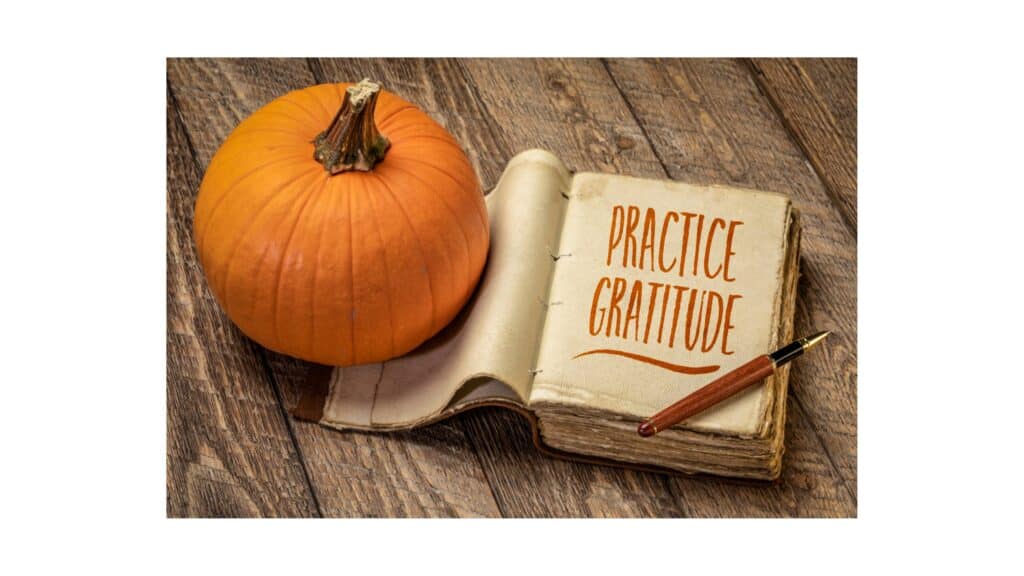

Gratitude is a Mindset
Join my email list for mindset shifts, growth strategies, and actionable tips to live intentionally.
As a welcome gift, get my Gratitude Log—your guide to more joy, clarity, and success every day!"
Fostering A Spirit of Year-Round Gratitude
Gratitude is a powerful mindset that transforms more than just our holidays; it transforms our lives.
The Power of Gratitude in Family Life
- Creating a Positive Atmosphere: Encouraging family members to express thankfulness fosters a positive and harmonious environment at home.
- Building Stronger Bonds: When family members openly acknowledge and appreciate each other, it deepens the connection and reinforces family unity.
- Teaching Values: By embodying and encouraging gratitude, we pass on vital values, teaching our children to appreciate what they have and cultivate empathy and kindness toward others.
Extending Gratitude to Society
Thanksgiving is the perfect moment to extend our gratitude beyond the dinner table and into our wider world. Engaging in acts of kindness, volunteering, or supporting local charitable initiatives fosters a crucial sense of community and shared responsibility.
- Cultivating Empathy: Gratitude is a direct path to empathy. When we genuinely appreciate the efforts of those around us – the cashier, the nurse, the receptionist at the GP surgery, the teacher – we gain a deeper understanding of their experiences and challenges. This appreciation fuels our compassion and willingness to actively contribute to the well-being of society.
- Building a Culture of Appreciation: Encouraging gratitude means consciously recognizing and celebrating the contributions of various individuals, from frontline workers to educators. Creating this culture uplifts everyone, reinforcing the powerful idea that every single role, no matter how small, is valuable to our collective strength.
Practical Tips For Fostering Gratitude
- Gratitude Journaling: Keep a journal, noting down things you are thankful for regularly. This simple practice enhances mindfulness and a positive outlook.
- Expressing Appreciation: Actively and consistently express gratitude to family and friends. Simple words of thanks go a long way in strengthening relationships.
- Volunteer as a Family: Engage in volunteer activities – serving at a local food bank or supporting church communities. This shared experience fosters gratitude and a vital sense of purpose.
Related Posts:
- 93 Blessings And Gratitude Quotes
- How To Leverage Gratitude To Improve Our Overall Mental Wellness
- 70 Things That Made 2023 Unforgettable!
- 85 Unforgettable Moments That Made 2024
Thanksgiving Is a Mindset
Thanksgiving is not just a single day; it’s a mindset that profoundly impacts our lives.
As we gather, let us not only savour the delicious meals but also relish the opportunity to cultivate gratitude while actively seeking truth and healing. By fostering this spirit of reflective gratitude, we contribute to the creation of a more compassionate and harmonious world.
How will you incorporate historical awareness and active gratitude into your Thanksgiving this year?
Let me know in the comments below.
Thank you for being a VCC reader!